
Accessibility in Commercial and Public Buildings – A Guide by Sector
A school has different accessibility needs from a hotel, just as a historic church presents different challenges from a modern workplace. Creating accessible buildings means considering how people enter, move through, and use each space, including access between floors.
This guide covers the key accessibility considerations across six sectors and where improvements can make the most difference.

Why Do Accessibility Needs Differ Between Sectors?
Accessibility requirements depend on who uses a building, what they need to do there, and how the space is arranged. A busy retail environment may have different access demands from a care home, where residents may need assistance moving between floors.
Factors such as frequency of use, independent access, changes in level, and available space all influence which solutions are appropriate. Existing building constraints can also affect what is actually doable.
Legal obligations and design requirements may vary depending on the premises and proposed work. Ultimately, effective accessibility planning should reflect how people actually use the building, following the principles of universal design wherever possible.
Accessibility in Schools and Education Buildings
Accessibility in education means ensuring pupils and students can take part in school life without unnecessary barriers. This includes being able to reach classrooms and use shared facilities, while also accommodating the needs of teachers, other staff, and visitors.
In older or multi-storey buildings, stairs can make certain areas difficult or impossible to access for people with reduced mobility. Improving access may require careful planning, particularly where existing layouts leave little room for alterations.


Platform lifts for schools and educational buildings can provide a useful solution where changes in level restrict access. Choosing the right lift involves understanding how it will be used – since some pupils may need to travel independently, while others may require assistance or supervision.
The aim should always be to make education facilities accessible to the people who need them, with a solution that works within the existing building.
Accessibility in Retail and Leisure Buildings
For shops and leisure facilities, accessibility plays an important role in how customers experience the premises. A step at the entrance can prevent someone from getting inside, while changes in floor level may restrict access to parts of the building once they are there.
Creating an accessible customer journey means considering the route through the premises, including facilities located above or below the main entrance level. Existing retail buildings can present particular challenges where space is limited or the layout makes alterations difficult.

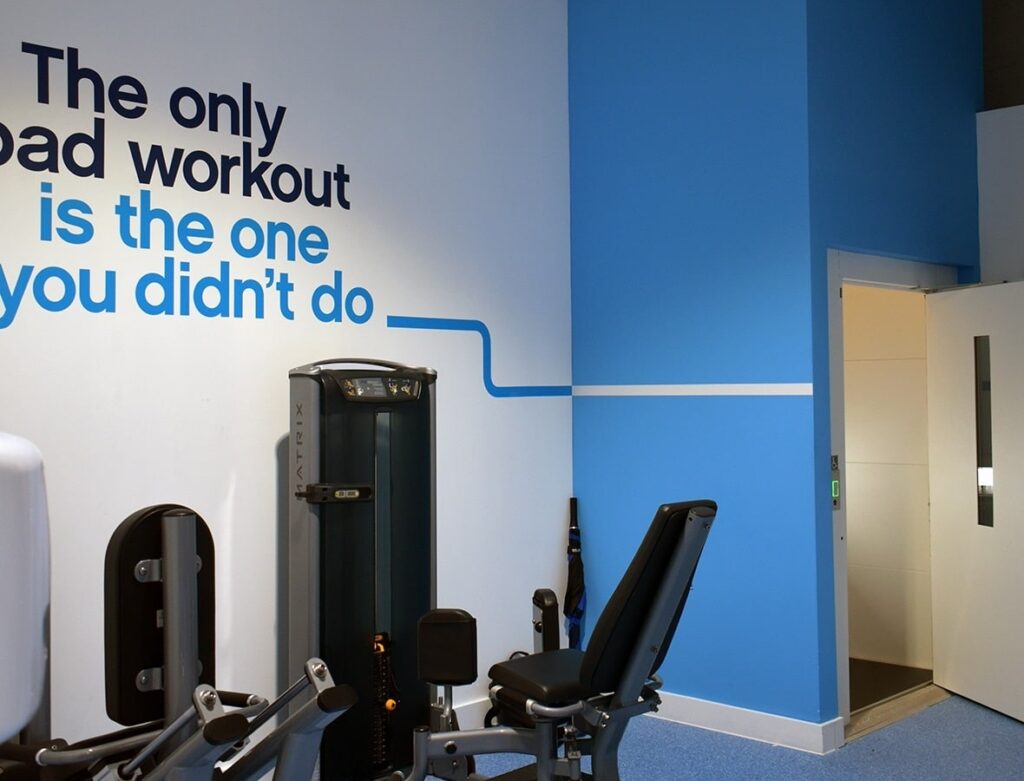
Commercial platform lifts and step lifts can help overcome changes in level, providing access to areas that would otherwise be difficult to reach. However, the right solution depends on the building and how customers use it.
Accessibility in Churches and Community Buildings
Churches and community buildings often present particular accessibility challenges, especially where older layouts were not designed with step-free access in mind. Steps at entrances or raised stages can restrict participation in services and community activities for people with reduced mobility.
Making improvements is also rarely a straightforward task. Limited space may restrict where access equipment can be installed, while alterations must also take account of the building’s existing character. Historic or listed buildings may be subject to additional permissions or restrictions.

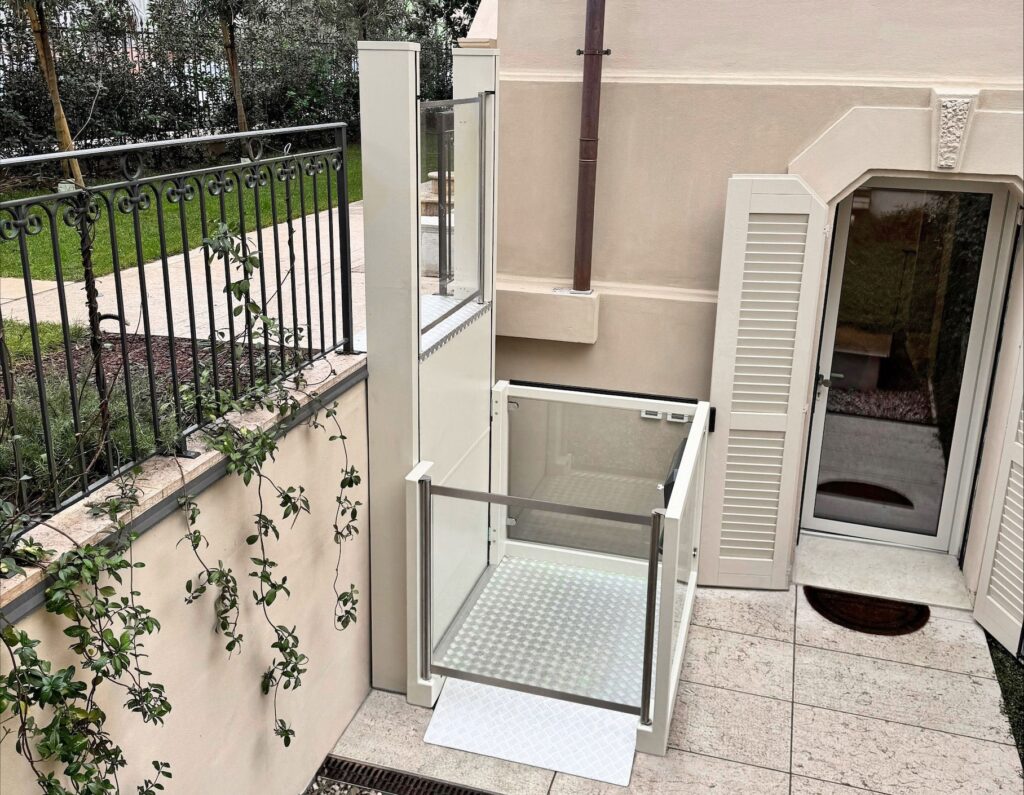
Compact platform lifts and step lifts can offer a far simpler way to overcome changes in level without requiring extensive alterations in some settings. However, each installation needs careful assessment to establish what is suitable for the available space and building constraints.
The priority is to improve access while respecting the building and how it is used.
Accessibility in Care Homes and Healthcare Settings
Accessibility in care environments requires careful consideration of how people move through the building, particularly when mobility is limited or assistance is needed. In care homes, residents may need regular access between bedrooms and communal areas, while healthcare facilities must consider movement between treatment spaces and other essential facilities.
People using wheelchairs or mobility equipment may require more space to enter and exit a lift comfortably. Platform dimensions and carrying capacity are therefore important considerations, especially where a carer or member of staff needs to accompany the user.


The right lift also needs to fit into the building’s daily operation. This means considering how frequently it will be used and whether users can travel independently or require assistance.
Although care homes and healthcare facilities have different requirements, both benefit from access solutions that reflect the day-to-day needs of the people using them.
Accessibility in Hotels and Tourist Attractions
For hotels and tourist attractions, accessibility means ensuring guests and visitors can reach the facilities they have come to use. In a hotel, this may involve providing step-free routes between reception, guest accommodation, and dining areas – particularly where these are located on different floors.
Tourist attractions can present different challenges. Historic properties may have narrow spaces or changes in level that make access difficult, while older building layouts can limit the options for physical alterations.


Commercial platform lifts can help visitors move between floors or overcome smaller changes in level where suitable. However, installing a lift is only one part of making a venue accessible. The wider route through the building must also be considered.
The aim is to reduce physical barriers so guests and visitors can make better use of the facilities available.
Accessibility in Workplaces and Offices
Accessible workplaces need to accommodate the mobility requirements of both employees and visitors. This includes ensuring people can move between working areas and shared facilities without unnecessary barriers.
In offices with multiple floors or changes in level, commercial lifts can help provide access where stairs would otherwise present difficulties. Existing buildings may require careful planning to accommodate these improvements.

What Should Every Sector Consider When Improving Accessibility?
Although accessibility challenges vary between sectors, the starting point is the same: understanding where people face barriers and how these affect their use of the building.
Can everyone reach the facilities they need? Are changes in level restricting access? It’s important to consider the entire route through the premises rather than focusing on a single entrance or staircase.
Any proposed solution must also suit the people using it. Is there enough space for a lift, and will it work with the building’s daily activities? Comparing platform lifts and conventional lifts can help establish which type may be appropriate.
Finally, consider the longer term. What servicing will be required, and how will the equipment be maintained to keep it operating safely?

Choosing the Right Vertical Access Solution for Your Building
The right lift depends on the building and how people need to use it. A small change in level may be suited to a step lift, while access between several floors could require a platform lift or commercial cabin lift.
Available space and travel distance will influence the options, alongside the number of people using the lift and their mobility requirements. Installation and ongoing maintenance should also be considered from the outset.
Our commercial lift range offers solutions for different building requirements, with support to help you identify a suitable option for your project.
FAQs About Accessibility in Commercial and Public Buildings
| How can you improve accessibility in an existing building? | Start by identifying where people encounter barriers. Review access routes and consider practical adaptations that suit the building’s layout and users. |
| Do all public buildings need a lift? | Not necessarily. Requirements depend on the building and its circumstances, including applicable legislation. The Equality Act 2010 and relevant building regulations should be considered when planning accessibility improvements. |
| What is the difference between a platform lift and a passenger lift? | Platform lifts typically travel at lower speeds and can accommodate different installation requirements. Conventional passenger lifts are generally designed for higher-speed travel and may require more extensive building work. |
| Can accessibility improvements be made in historic buildings? | Yes, although alterations may be restricted by the building’s structure or heritage status. Each project needs careful assessment, and additional permissions may be required. |
| What should be considered before installing an accessibility lift? | Consider who will use the lift, the distance it needs to travel, available installation space, and ongoing servicing requirements. These factors help determine which solution is appropriate. |
Let’s Discuss Your Building’s Accessibility Requirements
Our experts can help you explore suitable options from our commercial lift range, taking account of your building and the people using it. We also provide installation and ongoing lift servicing and maintenance.