How Much Does a Home Lift Cost in the UK?
If you’re considering a home lift, one of the first questions you’ll likely have is about cost. The answer isn’t a single figure, because home lift costs in the UK vary depending on your property, layout, and individual requirements. No two home installations are ever the same. So, the most accurate way to understand cost is to look at your home as a whole – not just the lift itself.
Why Home Lift Prices Vary So Much
Unlike off-the-shelf products, home lifts are designed around the property they’re installed in. Your home’s layout, the number of floors, available space, and access requirements all shape the scope of the project.
Accessibility needs today, and how you want to future-proof your home for tomorrow, also influence the final design. It’s much like planning a kitchen renovation or a home extension: the cost depends on what you’re starting with, what you want to achieve, and how the solution is made for your home.


What Affects the Cost of a Home Lift Installation?
Several practical factors influence the overall cost of a home lift installation, which is why pricing can vary from one property to another. Several practical factors influence the overall cost of a home lift installation, which is why pricing can vary from one property to another.
- The Amount of Building Work Required: Installing a lift through existing floors, working around structural features, or fitting a lift in a tight or unconventional space can all affect the scope of the project.
- Travel Height and the Number of Floors: Longer travel distances naturally require more components and installation time.
- Platform Size and Weight Capacity: This is equally important, particularly where wheelchair access, carers, or future needs must be accommodated.
Other factors include:
- The number of doors and their entry configuration
- Decorative finishes and design choices
- Site access and installation conditions
- Any additional safety or usability features required
Taken together, these decision drivers explain why home lift costs are always assessed on a case-by-case basis.

Home Lift Types & Typical Applications
Different home lift solutions suit different homes, and this has a direct impact on the overall scope of an installation. The right approach depends on how the lift will be used, who it needs to support, and how it fits within your property.
For Wheelchair Users
These lifts are typically designed with larger platform sizes, smooth level access, and sufficient weight capacity to allow comfortable and safe travel, often with a carer if required.

Compact Home Lifts
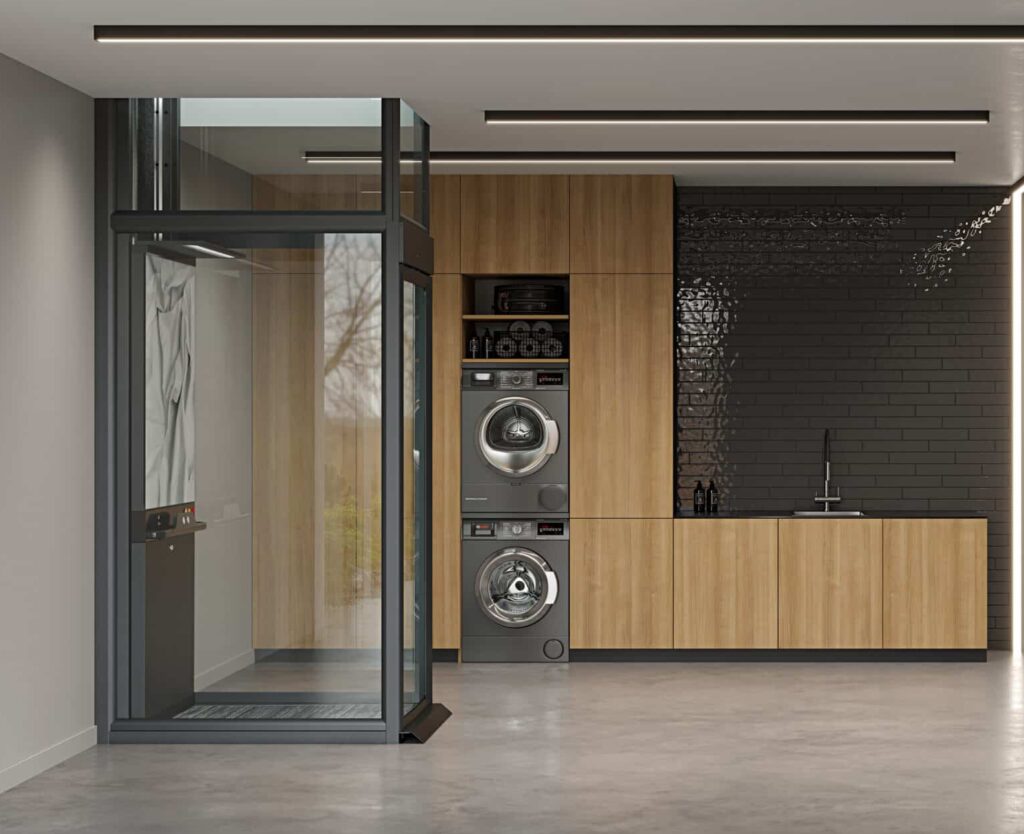
Well-suited to properties where space is limited. Often installed in existing rooms, stairwell voids, or cupboards, they are designed to integrate neatly into the home while still providing reliable access between floors.
For Homes with Multiple Levels
Multi-floor home lifts provide consistent access throughout the property. These solutions are commonly used in townhouses or larger homes where regular travel between several floors is required, both now and in the future.


Short Changes in Level
In these situations, short-rise or step lift solutions can offer a practical way to improve access without extensive alterations.
Keeping Home Lift Projects Cost-Efficient
All Gartec home lifts are designed for efficient installation, with modular systems that minimise disruption and reduce the amount of building work required. This means less time on site, fewer trades involved, and a smoother overall installation.
Careful planning and detailed surveys help avoid delays and unnecessary changes once work begins. Combined with experienced installation teams, this keeps projects tightly controlled from start to finish.
Once installed, our home lifts are also designed to run efficiently, helping keep ongoing running and maintenance costs low. The result is a well-managed installation that delivers long-term value without compromising on safety, performance, or finish.
Why Homeowners Choose Gartec
We are chosen for our experience, attention to detail, and the way we manage each project. With over 30 years in the lift industry, we design and install home lifts that fit their property. Our team is known for working sensitively in lived-in homes, keeping disruption to a minimum throughout installation, and the results speak for themselves.

Home Lift Cost FAQs
| Do home lifts require planning permission? | In most cases, home lifts fall within permitted development and do not require planning permission. This is particularly true for internal installations. However, every property is different, so it’s always best to check early, especially for listed buildings or external installations. |
| How long does a home lift installation take? | Installation times vary depending on the lift design and the amount of preparation required. Many home lifts can be installed quickly and with minimal disruption once surveys and planning are complete. Your installer should be able to give clear timescales before work begins. |
| Can a lift be added to an existing home? | Yes, home lifts are commonly installed in existing properties. Modern designs allow lifts to be fitted in a variety of locations, including stairwells, cupboards, or through floors, often without major structural changes. |
| Are home lifts expensive to run? | Home lifts are designed to be energy efficient and economical to operate, generally using no more energy than a household kettle, and less power annually than a washing machine when used regularly. With low power usage and straightforward maintenance requirements, running costs are typically modest compared to the long-term benefits they provide. |
How to Get an Accurate Home Lift Cost
The most reliable way to understand the cost of a home lift is to speak directly with our specialists. We’ll start with a free site survey to assess your home and requirements, followed by a detailed quote based on your project. If you’re considering a home lift and want clarity, speak to our team and get a price that’s designed around your home.
